I went into Ops Foundation with an open mind. I'd always wanted to do something like this.

When I first started in exhibitions, there was nothing like Ops Foundation around. Back then, it was more a case of being thrown in and told to get on with it.

I still laugh now because no one told me what a fascia was for about six months, I just had to guess. That’s quite common in this industry really - people assume you know the terminology, but if you’re new, you often don’t, and that’s one of the reasons I wanted to do the course.

Lou Kiwanuka a white woman with short dark hair, wearing a red scarf

The other was curiosity; I’ve been working in events, conferences and exhibitions for 15 years, and I’ve been exhibition-heavy for around nine of those, so I did wonder whether I’d really get much out of it. But Showlite had just joined the Ops Nest, I was the first one to go from our side, and I wanted to see whether it was worth doing.

I’m really glad I did!

At the start of the week, I thought it felt very organiser-heavy. Monday especially was very much about what organisers need to do, how they manage costs, and how they run a show. I was definitely sat there with my contractor head on, but it was good to see ‘how the other half live’.

But as the week went on, that changed. By Tuesday and Wednesday, it became much more about understanding why things cost what they cost, why jobs take the time they take, and what sits behind the decisions being made by organisers, venues and contractors. That was probably the biggest takeaway for me - seeing the bigger picture properly.

The bigger picture

I’ve always felt that the industry is split into separate camps: organiser, venue and contractor. But it shouldn’t really be like that. We all impact each other, and no one group can exist without the others; the more we understand what the other side is dealing with, the better everything work. That’s what the course did well. It opened up that way of thinking.

Five people in high vis sat on a truss

We looked at rigging, mains, logistics, shell scheme, bematrix, graphics and AV. Even after years in the industry, there were still things that made me stop and think.

Mains was a good example. It’s easy to stand on site and think someone is being dramatic when power takes a while to sort, but when you actually see the process behind it, you understand why it isn’t instant. The course was held at Excel, so we got to see how it all works behind the scenes, from substations through ducts and up into the hall. It gives you a completely different appreciation of what’s involved.

The same goes for logistics, one of the useful points was understanding why organisers should use one logistics provider. It’s not about someone wanting to take over everything - it actually makes life easier for the organiser, the exhibitor, the contractor and the venue. Once you understand the traffic and timing involved, it makes total sense.

Another big thing for me was confidence.

As a contractor, you can sometimes feel like the organiser holds all the power because they hold the contract. That can make it harder to push back, even when you know something isn’t practical, safe or the best solution. What this course reinforced is that speaking up doesn’t mean being difficult, sometimes it’s about asking better questions. Not just saying no, but saying: ‘what are you actually trying to achieve here’? Because there might be a better way to get the same result and that’s better for everyone.

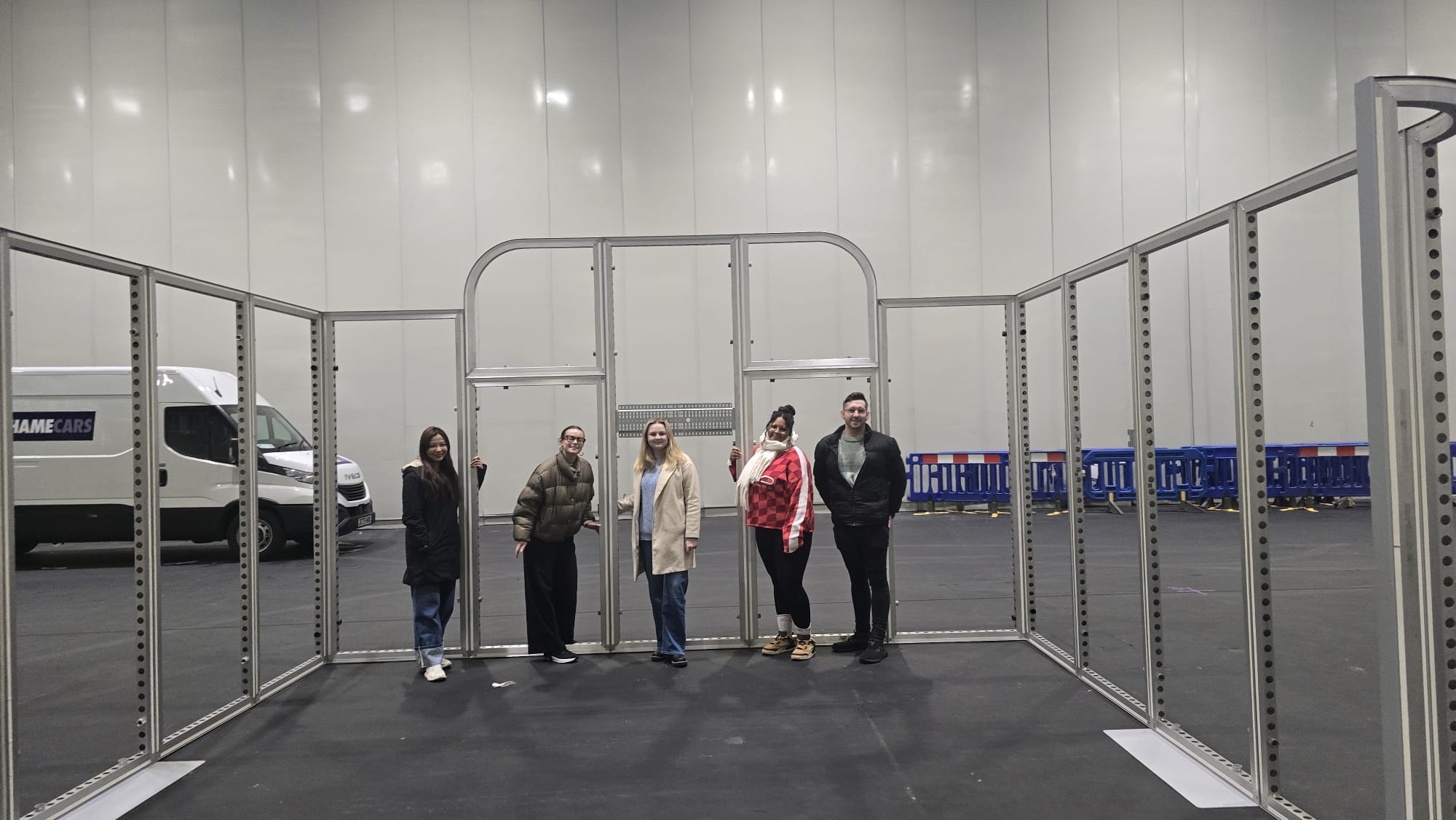
A group of young people smiling at the camera

The networking side was valuable as well. I didn’t know most of the people there, but by the end of the week we were all connected on LinkedIn, swapping numbers and having proper conversations. That matters, especially for people starting out - if you’ve got someone you can ring and ask a question, it makes a huge difference.

Would I recommend Ops Foundation?

Yes, definitely. I think anyone involved in delivering exhibitions could get something from it, especially people in operations, account management or exhibitor services. Even if you know the basics already, it helps you understand more about the pressures, processes and knock-on effects across the whole event.

A group of young people smiling at the camera

I drove down to Excel on the Sunday wondering whether I’d get much from the course, and I came back with more than I expected. Not because it taught me everything from scratch, but because 

it made me think differently - and in this industry, that’s invaluable.

Find out about Ops Foundation

We run two Ops Foundation courses a year